An Unpredictable Year: Google, Meta and OpenAI

Emerging technology can be unpredictable. I’m going to write about the unpredictability of two areas: 1) Smart Glasses and 2) AI Leadership.
Unpredictable Smart Glasses
Meta initially put cameras on glasses in 2021 to one day have augmented reality glasses. Image and video content capture was the initial value proposition to justify having cameras on glasses.
The cameras for content capture were meant to serve as a foothold for augmented reality glasses in the future. This was the plan up until 2024. By the third quarter of 2025, over a third of EssilorLuxottica’s revenue growth has come from the wearables division (aka Meta AI glasses). Meta is in the process of increasing its stake from 3% to 5% and possibly more in the future.
Early AR industry folks assumed visual data would be the main attraction. This is not the case.
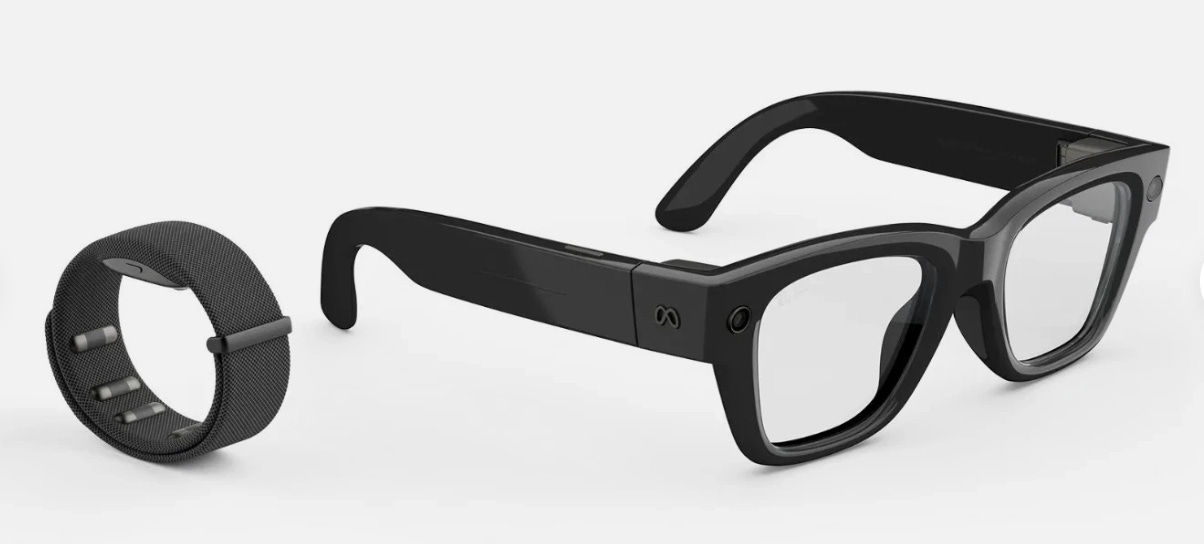
The most important factor is the attractiveness of the glasses themselves and the social acceptability of wearing them. The Wayfarers are vastly more popular than Meta and EssilorLuxottica’s other frames.
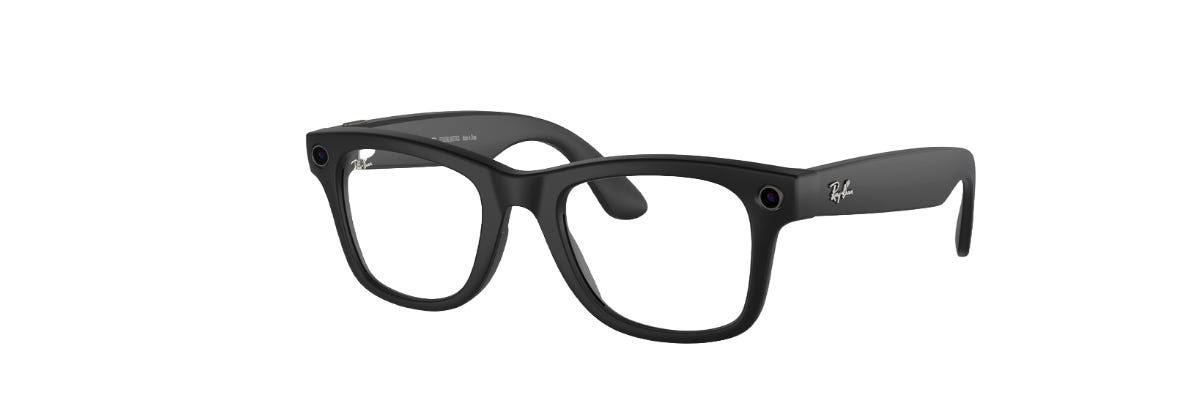
As CES begins, you’re going to hear a lot about various smart glasses. My opinion is that the only smart glasses that will sell in volume will be Google and Gentle Monster’s frames. I expect most of the other glasses to be in landfills a year from now.
Unpredictable AI Leadership
At the beginning of 2023, OpenAI was on track for a monopoly in AI. At the end of 2023, Altman was forced out by OpenAI’s board. OpenAI employees synchronized tweets on x to call for Altman’s return. Many of these same people have left OpenAI as 2026 begins.
At a time when tech companies are paying eye-popping sums to hire the best minds in artificial intelligence, Google’s deal to rehire Noam Shazeer has left others in the dust.
A co-author of a seminal research paper that kicked off the AI boom, Shazeer quit Google in 2021 to start his own company after the search giant refused to release a chatbot he developed. When that startup, Character.AI, began to flounder, his old employer swooped in.
Google wrote Character a check for around $2.7 billion, according to people with knowledge of the deal. The official reason for the payment was to license Character’s technology. But the deal included another component: Shazeer agreed to work for Google again.
Google had been bleeding talent and 2025 marked its return to dominance. Nano Banana and Veo represent the best AI image and video generation to end 2025. Google is back.
Josh Woodward, who oversees the Gemini app as well as Google Labs—a proving ground of sorts for new AI applications—called the launch of Nano Banana a “success disaster.” When people around the world began generating millions, and then billions, of images, Google was hard-pressed to find enough computing power to meet the demand. The company, he said, used emergency loans of server time to get more computing capacity.
By October, Gemini had more than 650 million monthly users, up from 450 million in July.
Google is eating into OpenAI from the consumer side.
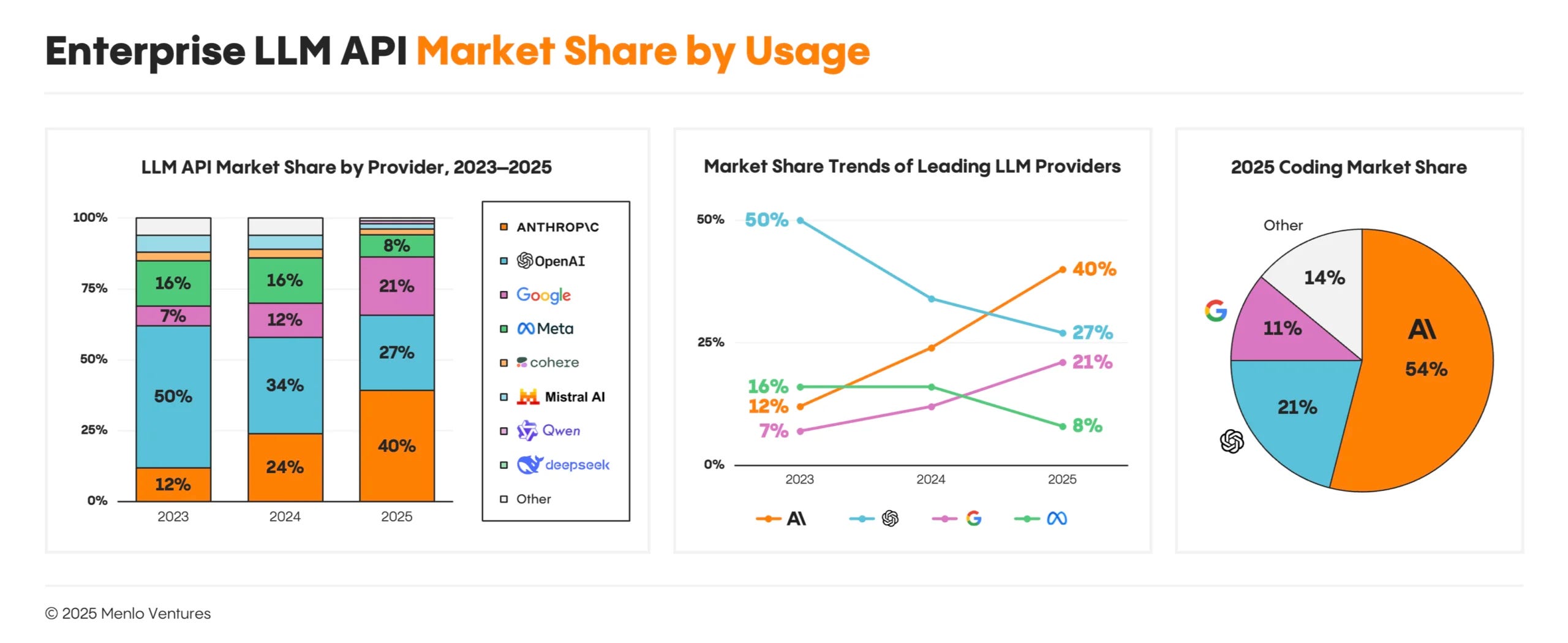
Anthropic is devouring OpenAI from the enterprise side with a focus on coding.
Jobs
I don’t usually write about jobs. But if you are an engineer, I’d take a look at Adaption Labs. It’s led by Sara Hooker. I’ve met her and she’s very impressive. Unlike some other leaders in AI, she displays no signs of narcissism or anti-social personality disorder which makes her unique. Take a look.